Generational Business Continuity in Cape Breton: 50 Years Strong

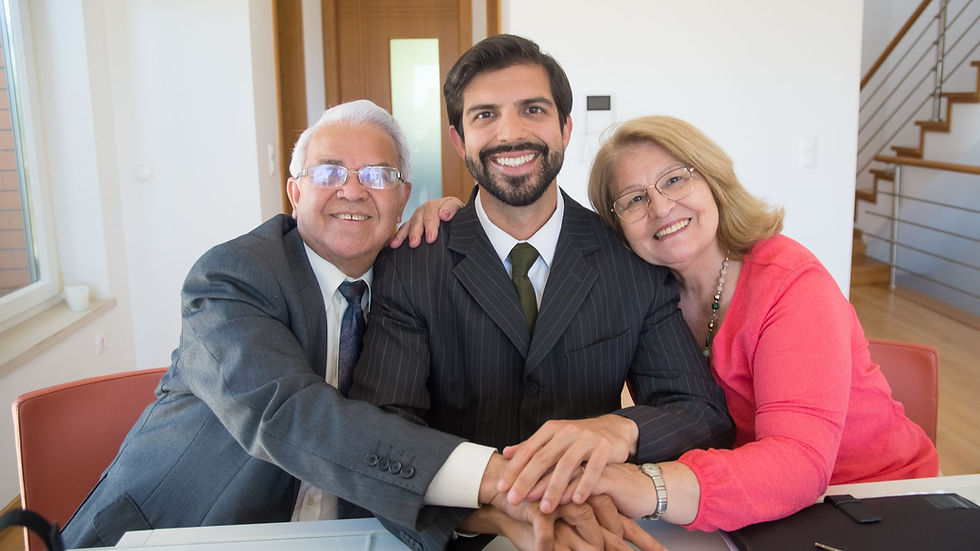
Navigating the landscape of modern commerce requires a delicate balance of adaptability and enduring core values. When a company manages to endure across decades, it offers a masterclass in resilience, strategic planning, and community integration. This endurance is exceptionally rare in island economies, where market fluctuations and geographic isolation present unique challenges. Examining how enterprises survive and thrive across half a century provides invaluable lessons for modern operators seeking long-term viability.
The Foundation of Generational Business Continuity in Cape Breton
Achieving longevity in any market demands more than just a profitable business model. It requires a profound commitment to the region and a structured approach to leadership transition. When considering Generational Business Continuity in Cape Breton, the conversation invariably turns to the interplay between local heritage and operational discipline. Enterprises that cross the fifty-year threshold typically possess a deeply ingrained culture that adapts to economic shifts without losing its foundational identity.
Transitioning leadership from one generation to the next remains one of the most perilous phases for any private enterprise. Statistics indicate that a vast majority of family-run operations fail during the second or third transition. To overcome this hurdle, successful entities implement formal mentorship programs, gradual responsibility handovers, and clear governance structures. This intentional planning ensures that institutional knowledge remains within the walls of the organization, safeguarding operations against unexpected disruptions.
Three Decades of Evolution and Resilience
The journey from a single-founder operation to a multi-generational powerhouse is marked by calculated risks and unwavering dedication. We are locally owned and operated, in Cape Breton for over 50 years and 3 generations, which grants us a unique perspective on regional economic development. This longevity is not merely a matter of survival; it represents active participation in the economic fabric of the Atlantic provinces.
Market conditions in Atlantic Canada have transformed dramatically over the past fifty years. From industrial shifts to digital transformation, companies must continually reinvent their service offerings. The key to staying relevant lies in combining time-tested customer service principles with modern technological advancements.
- Establishing formal mentorship frameworks for incoming family and non-family leaders alike.
- Investing continuously in modern infrastructure while respecting traditional craftsmanship.
- Maintaining diversified revenue streams to weather regional economic downturns.
- Cultivating deep relationships with local suppliers, municipalities, and community organizations.
Strategic Pillars for Multi-Generational Success
Building an enterprise that outlasts its original founders requires specific operational frameworks. Modern commerce rewards agility, but generational stability relies heavily on consistency and trust. Integrating these two forces creates a competitive advantage that transactional competitors struggle to replicate.
Cultivating Trust Through Community Integration
Trust is the ultimate currency in regional markets. Long-standing enterprises understand that their reputation is intrinsically linked to their community involvement. Sponsoring local initiatives, employing area residents, and reinvesting capital locally fosters a reciprocal loyalty that shields the company during leaner economic cycles.
Financial Discipline and Risk Management
Conservative financial management often separates enterprises that fold from those that flourish for generations. Avoiding over-leverage during boom periods provides the necessary capital reserves to navigate unexpected market corrections. Furthermore, reinvesting profits back into the core business ensures continuous improvement without threatening solvency.
Preparing for the Next Fifty Years
As commerce accelerates into the digital age, traditional enterprises must embrace technological modernization while preserving their human-centric ethos. Data-driven decision making, automated inventory management, and digital marketing strategies are no longer optional. However, the soul of a generational business remains rooted in personal relationships and accountability.
Modern leaders must balance the wisdom of their predecessors with the fresh perspectives of incoming talent. This synergy prevents stagnation and encourages continuous innovation. By fostering an environment where new ideas are welcomed and tested safely, legacy businesses can secure their relevance for decades to come.
Frequently Asked Questions
What is generational business continuity?
Generational business continuity refers to the strategic planning and operational frameworks that allow a family-owned or locally operated enterprise to successfully transition leadership and ownership across multiple generations while maintaining core values and profitability.
Why is longevity rare for businesses in Cape Breton?
Geographic isolation, shifting local industries, and the complexities of leadership transition present significant hurdles that cause many regional enterprises to close within their first decade of operation.
How do multi-generational businesses handle leadership handovers?
Successful operations utilize formal governance structures, gradual responsibility transitions, and multi-year mentorship programs to ensure seamless knowledge transfer and minimal operational disruption.
What role does community integration play in long-term business survival?
Deep community integration builds enduring customer loyalty, creates reliable local supply chains, and fosters a trusted brand reputation that helps enterprises weather broader economic downturns.
The journey of building and maintaining a generational enterprise is a testament to perseverance, strategic foresight, and community dedication. Organizations that achieve this milestone prove that honoring the past while embracing the future is the ultimate recipe for enduring success. By prioritizing intentional leadership transitions, financial prudence, and genuine community ties, regional businesses can build a legacy that transcends decades and inspires the next wave of commerce.
Comments